If you invest whenever along the Noosa coast, you already understand how quickly the day can change. One minute the water at Main Beach appears like a postcard. 10 minutes later, a sandbank shifts, the wind gets, and a strong swimmer finds themselves dragged sideways in a rip. I have actually watched that scene play out more than once, and the distinction in between a scare and a catastrophe often boils down to what the people nearby perform in the very first 2 or three minutes.
That is why a quality Noosa first aid course is not a nice additional for residents and regular visitors. It is a practical tool for anyone who enjoys the ocean, bushwalks the national park, paddles the river, or simply invests long weekends outdoors with family.
This is particularly real in Noosa because we combine surf beaches, tidal rivers, subtropical heat, thick bush tracks, and a fast‑growing population of visitors who are typically not familiar with local conditions. Emergencies here rarely look like a cool textbook circumstance. First aid training in Noosa needs to show that reality.
What makes Noosa different from other seaside towns
I have taught and went to first aid training in numerous regions, from inland mining neighborhoods to big‑city workplaces. The patterns of injury and health problem change with the landscape and the activities. Noosa provides an unique mix.
The beaches bring all the usual browse dangers: rips, shallow sandbanks, disposed swimmers, children knocked over in ankle‑deep water, and surfers colliding in crowded breaks. Include sharp shells, bluebottles and other marine stingers, plus the occasional fin chop or head knock from a board.
Move inland a few hundred metres and you have dense strolling tracks through Noosa National forest and surrounding reserves. Heat and humidity can approach on people who are not utilized to exercising in these conditions. Dehydration, heat fatigue, rolled ankles, and low‑grade falls are regular. So are encounters with ticks and other biting bugs. While harmful snake bites are unusual, the threat is not theoretical.
Then there are the rivers and lakes: Noosa River, Lake Cootharaba, Lake Weyba, and smaller sized waterways where people kayak, stand‑up paddle, fish, and beverage. Cold water shock, near‑drownings, cuts from immersed debris, and head injuries from boating mishaps all occur regularly than a lot of visitors realise.
A Noosa emergency treatment course that comprehends this environment teaches more than generic bandaging. It focuses on situations you are likely to satisfy: a kid who inhales water in the shallows, a paddle‑boarder pulled from the river unconscious, a hiker with heat stroke midway in between Tea Tree Bay and Hell's Gates.
Why every regular beachgoer must understand CPR
The most confronting calls for help on the beach generally involve breathing or heart issues. As someone who has actually debriefed browse lifesavers, volunteers, and spectators after resuscitation events, a pattern appears: the very first 60 to 90 seconds are disorderly, but the people who have present CPR skills settle faster and do the most good.
A focused CPR course in Noosa, specifically one provided by trainers who understand browse environments, changes how you react when somebody collapses near you. Instead of freezing or fumbling with your phone, you acknowledge three vital points.
First, you know what an unresponsive person actually feels and look like, since you have actually practiced the checks. You roll them, open the air passage, look for chest motion, listen for breath, feel for airflow. These are little actions, however they cut through panic. Second, you start efficient compressions without wasting time on things that do not matter, such as fretting about breaking a rib or trying to find somebody "more qualified." Third, you direct other individuals around you with easy directions: call 000, get the AED from the browse club, satisfy the ambulance at the cars and truck park.
Good CPR training in Noosa also considers the truths of the beach. Sand is unstable under your knees. Spectators crowd in. There may be a strong glare, high wind, or driving rain. A skilled trainer will talk you through genuine beach cases and adjust methods: how to position yourself on sand, how to protect the patient from waves, when to move someone meticulously greater up the beach to keep them safe without postponing compressions.
If you currently hold an emergency treatment certificate Noosa based or in other places, and it is more than a years of age, a dedicated CPR refresher course in Noosa is worth scheduling. Standards develop, therefore does equipment. Automated external defibrillators (AEDs) are now positioned at more surf clubs, shopping centres, and sporting centers than many individuals understand. A brief upgrade on how to utilize them, and the self-confidence to in fact get one, can make the difference between mental retardation and full recovery.
The sort of emergencies Noosa residents actually see
Talk to local lifeguards, outdoor fitness trainers, treking guides, or child care employees, and you start to hear repeating stories. They do not seem like a first aid manual. They seem like genuine life.
A household from abroad leaves onto a sandbar at the river mouth at low tide, not realising how quickly the tide floods back in from behind. The youngest kid worries, swallows water, and starts to choke and throw up. An onlooker with current first aid and CPR Noosa training understands not to just sit the child upright and pat them on the back. They roll them into the recovery position, keep the airway clear as the water turns up, and screen breathing carefully until paramedics arrive.
A runner collapses on Gympie Balcony on a damp afternoon. People crowd around, but no one wishes to be the very first to touch him. One woman who has simply completed a combined emergency treatment and CPR course Noosa based checks for reaction, sees he is not breathing normally, and starts compressions. She keeps opting for 6 minutes till the ambulance arrives with a defibrillator. Later, paramedics inform her that without constant compressions, the outcome would have been very different.
A group of buddies hikes the seaside track in Noosa National forest throughout a heatwave. One man becomes confused, stops sweating, and staggers. The track is too narrow for a lorry. A pal who did Noosa emergency treatment training through their office recognises classic heat stroke. Rather of just giving him a bit of water and pressing on, they drop in the shade, cool his body strongly with wet t-shirts and airflow, and call for help early. By the time rangers reach them, his temperature level is down, and he is coherent again.
None of these individuals were doctors or paramedics. They were normal beachgoers and outdoor enthusiasts who had actually chosen an emergency treatment course in Noosa was worth a day of their time.

What an excellent Noosa emergency treatment course really covers
A credible supplier, such as a long‑standing emergency treatment pro Noosa operator or another knowledgeable organisation, will normally use a number of levels: stand‑alone CPR, full first aid, and integrated emergency treatment and CPR courses Noosa broad. The labels vary by service provider, but the core first aid Noosa skill set usually includes:
Recognising and responding to dangers around a casualty, especially near water, roads, or unsteady ground. Assessing responsiveness, breathing, and flow utilizing easy, repeatable checks. Performing efficient CPR on grownups, children, and babies, and utilizing an AED with confidence. Managing typical injuries such as cuts, sprains, fractures, burns, and head knocks. Responding to medical emergencies such as asthma attacks, anaphylaxis, seizures, chest pain, diabetic episodes, heat disease, and hypothermia.In Noosa, the much better courses consist of specific conversation of marine stings, spinal injuries in browse conditions, handling casualties in hot, humid environments, and improvising when resources are restricted on a track or in a remote picnic location. When you browse "first aid course Noosa" or "first aid courses in Noosa," look beyond the heading and read the course outline. If it hardly points out outdoor or aquatic environments, it might not give you the local context you need.
For people who paddle, browse, or spend time offshore, it deserves asking whether the trainer has direct experience with water‑based rescues or has actually worked along with surf lifesavers. The finer details, such as how to support a respiratory tract when waves are breaking nearby, are discovered on damp sand, not from a projector.
Who advantages most from emergency treatment training in Noosa
There is a tendency to think about Noosa first aid training as something needed only for specific jobs: child care teachers, physical fitness instructors, surf coaches, or hospitality managers. Those groups certainly require present certificates, and quality Noosa emergency treatment courses must absolutely support sector‑specific requirements.
But the group I stress over most is the "informal leaders," individuals others aim to without thinking: the organised parent in a group of households, the skilled internet user in a pack of mates, the individual who always prepares the hike, or the host of the routine river barbecue. In practice, those are the people who get tapped on the shoulder when something goes wrong: "You understand what to do, right?"
If you identify yourself because description, you are the perfect candidate for an emergency treatment course in Noosa. You already have the frame of mind to take obligation. Formal first aid and CPR Noosa training provides you structure and confidence to match.
Small entrepreneur also stand to get. Coffee Shops along Hastings Street, shop accommodation operators, yoga studios neglecting the river, and trip businesses all run in environments where visitors are unwinded, typically hot, and often over‑extended. A guest tripping on a step, choking on food, fainting in the heat, or responding to a hidden allergy can put staff under pressure. When a minimum of a single person on each shift has a current emergency treatment certificate Noosa based, the whole group feels more secure.
Parents, too, often undervalue how valuable a practical first aid course can be. Kids relocate unforeseeable methods around water and on unequal ground. A short lapse is all it takes for a toddler to fall in a shallow swimming pool or swallow a little object. Understanding how to manage choking, breathing issues, and minor head injuries buys you peace of mind every time you load the vehicle for the beach.
Why regional context matters in emergency treatment and CPR courses Noosa wide
You can complete generic online emergency treatment modules from anywhere these days, often for less money. They serve a function for basic awareness, however they miss crucial context that matters in locations like Noosa.
A practical Noosa emergency treatment course grounds each skill in the real places you live and move through. You do not simply discuss calling for assistance, you go over mobile black areas on particular sections of the coastal track. You do not simply speak about heat disease, you take a look at what takes place to heart rate and hydration on a hot day paddling the Noosa River compared to a shaded city park. Trainers talk about regional ambulance response times, where AEDs are located at popular spots, and how to coordinate with browse lifesaving services.
Real world information sticks in your memory far much better than abstract rules. When you next walk past the surf club or through a shopping centre, you actually see where the green and white AED symbol is installed on the wall. That information can conserve precious minutes later.
Keeping your skills sharp: the function of refreshers
Skills you do not utilize fade faster than the majority of people expect. When I ask individuals to show CPR two or 3 years after their last course, even capable, intelligent adults frequently forget hand positioning, compression depth, or the rhythm. Some can not keep in mind when to change rescuers, or how to work alongside an AED.
That is why most work environments and professional standards suggest that CPR training Noosa broad be refreshed every 12 months, and full emergency treatment at least every three years. A brief, sharp refresher frequently takes just a few hours face‑to‑face if you total theory online ahead of time. Yet it brings your self-confidence back to where it needs to be.
You can consider it like servicing a surfboard or kayak. The equipment may still float after years of disregard, however you would not trust it in big swell or strong present. Your first aid abilities are comparable. You might remember enough to do something, but in a real emergency situation "something" is not always enough, especially if others are seeking to you to take charge.
If you completed emergency treatment and CPR Noosa training several years ago with a various service provider, do not be shy about changing to a regional first aid pro Noosa based or another respectable organisation now. A fresh set of circumstances, upgraded guidelines, and brand-new trainers brings perspective, and typically corrects bad habits you picked up long ago.
Choosing a quality Noosa first aid training provider
With so many alternatives when you browse "first aid courses Noosa" or "CPR courses Noosa," selecting the best course can feel like guesswork. A little structure helps. Here are practical questions worth asking any company before you book:
- Is the qualification nationally acknowledged, and will I receive a formal declaration of achievement that fulfills my office or market requirements? How much of the Noosa first aid course is hands‑on practice, and is assessment based on real‑world circumstances or just a composed quiz? Do your trainers have current, useful experience in emergency reaction, surf lifesaving, health care, or similar fields, especially within seaside or outdoor settings? How typically do you update your content to show present Australian Resuscitation Council standards and local emergency situation service practices? Can you tailor emergency treatment training in Noosa for specific groups, such as surf schools, outside tour operators, childcare centres, or sporting clubs?
Notice that none of these concerns has to do with price. Expense matters, particularly for households and small businesses, however the most affordable first aid course Noosa offers is not constantly the one that will stand under real pressure. A a little higher fee for a day of robust, scenario‑based training is far less expensive than the long‑term regret of wishing you had actually been much better prepared.
Integrating emergency treatment into your outside routine
Once you have actually completed a Noosa emergency treatment course, the next step is making the skills part of your daily outside life. That suggests a few useful shifts.
Start with your equipment. When you pack for the beach or a walking, include a compact first aid set to your typical sunscreen, towels, and water. A fundamental package with gloves, gauze, adhesive dressings, a compression bandage, and an immediate ice pack fits into a little dry bag or knapsack pocket. For routine paddlers or boaters on the Noosa River, think about a water resistant container or dry box so your package remains functional even if you capsize.
Make easy routines automated. Identify where the nearest AED is every time you check out a brand-new fitness center, coffee shop strip, or public area. Psychologically note gain access to points for ambulances or rescue lorries when you head onto a new track or into a less familiar section of beach. These mental check‑ins take seconds once they become part of your typical pattern.
It likewise helps to talk freely about first aid in your social group. If you have actually bought first aid and CPR course Noosa training, let friends and family know you are comfy taking the lead in an emergency situation. Encourage others to take courses too, perhaps arranging a group reservation so you all train together. Reacting as a collaborated set or little team is far less demanding than seeming like you are the just one with any idea what to do.
First aid Noosa: more than simply compliance
When people participate in mandatory Noosa emergency treatment training for work, they often arrive in a compliance mindset: tick package, get the certificate, and carry on. The best fitness instructors I have actually worked with in Noosa comprehend this, and gently push individuals beyond that attitude.
They share real stories from regional occurrences, welcome people to discuss near‑misses they have seen at the beach or on the river, and link each ability to a human result. It is tough to stay disengaged when you envision that the person on the manikin might be your child, partner, or parent.
That shift in frame of mind matters. First aid is not almost legal responsibilities or meeting insurance coverage requirements. It is a neighborhood ability that underpins safe enjoyment of everything Noosa provides. When more homeowners and routine visitors total first aid courses in Noosa and keep their CPR Noosa skills current, everyone benefits: visitors feel much safer, occasions run more efficiently, and emergency services can concentrate on the cases that truly need sophisticated intervention.
Bringing everything together
Standing on the boardwalk at Noosa Heads on a bright weekend, it is easy to forget how thin the line can be in between a fantastic story and a nightmare. Most days, absolutely nothing dramatic occurs. Kids build sandcastles, surfers wait for sets, hikers stop for images at Dolphin Point. However every year, there are minutes on these exact same sands and tracks when someone's heart stops, someone's respiratory tract closes, or someone's body merely offers in the heat.
In those moments, the individual closest to them matters more than any tool or distant professional. If that individual has actually finished a strong Noosa first aid course, practiced CPR recently, and thought ahead about how to call for help from that particular area, the odds tilt dramatically in favor of survival.
Whether you are a local who swims at Main Beach before work, a river‑paddler who spends golden on the water, a moms and dad wrangling toddlers between the flags, or a guide leading visitors into Noosa National forest, buying first aid course Noosa training is among the most useful decisions you can make. It appreciates the power of the landscapes you like, and it gives you the tools to take duty not just for your own security, but for the people who share those areas with you.

Nationally Recognised First Aid Courses Noosa Locals Trust! First Aid Pro is one of Noosa’s leading providers of accredited CPR and first aid courses. Established in 2010, our nationally registered training organisation (RTO) has equipped over 3 million Australians with essential life-saving skills through our experienced team of 110+ expert trainers. Conveniently servicing Noosa and the Sunshine Coast region, we provide top-quality, nationally accredited CPR and first aid training sessions tailored to your needs, whether for workplace requirements, career advancement, or personal safety. From childcare-specific first aid training to advanced first aid and resuscitation courses, we’ve got you covered. First Aid Pro – First Aid Course Noosa Noosa Conference Centre 73 Hilton Terrace Noosaville QLD 4566 Australia Phone: (08) 7120 2570 Secure your Noosa first aid course or CPR training with us and build the confidence to handle emergencies with a trusted Noosa first aid provider. Take the first step towards becoming a skilled and capable first aider with First Aid Pro Noosa today.
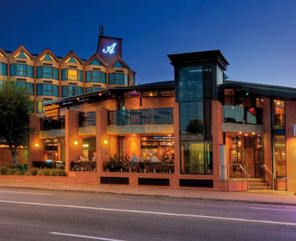
Location & Venue Details Our First Aid Pro Noosa courses are held at Noosa Conference Centre, 73 Hilton Terrace, Noosaville QLD 4566, conveniently located in the heart of Noosaville. This modern and well-equipped venue provides a professional and comfortable training environment ideal for first aid, CPR, and childcare first aid courses. It’s the perfect location for participants travelling from Noosaville, Noosa Heads, Tewantin, Sunrise Beach, and surrounding Sunshine Coast suburbs. Situated close to the Noosa River, the venue is near popular local landmarks including Noosa Marina, Noosa Civic Shopping Centre, Noosa National Park, and Hastings Street. The surrounding area offers a variety of cafés, restaurants, and takeaway outlets—perfect for enjoying lunch or coffee before or after your course. With easy access to Noosa Main Beach and nearby riverside parks, it’s also a great place to relax before or after your training. Training is conducted in spacious, air-conditioned rooms within Noosa Conference Centre, equipped with high-quality first aid and CPR training equipment and comfortable seating. The venue provides convenient onsite parking and nearby street parking for participants attending the course. The site is fully accessible, offering step-free entry and accessible restroom facilities, ensuring a smooth and inclusive training experience for all learners.